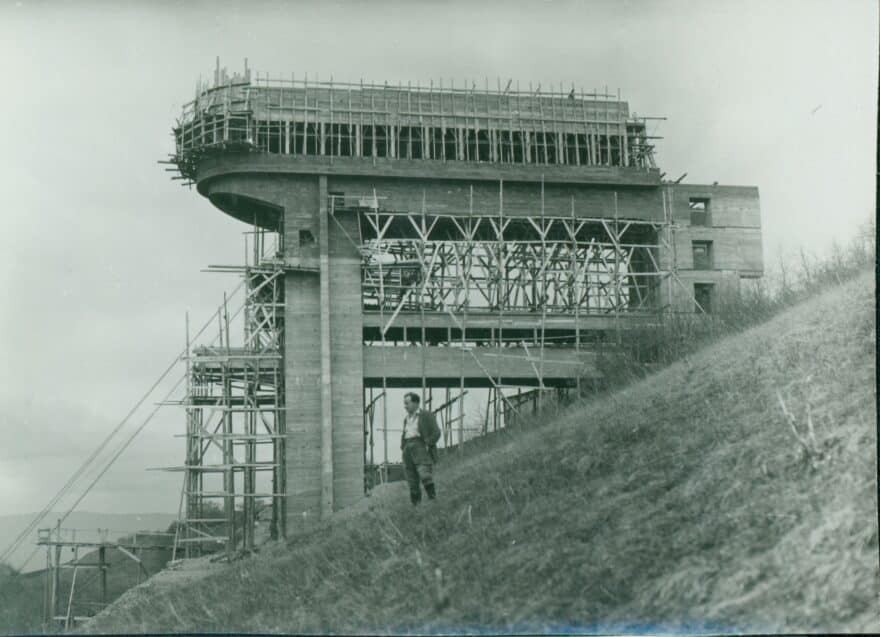

Every five years, the Salève Cable Car undergoes a major regulatory inspection — a large-scale operation ensuring the safety, reliability, and durability of the installation.
This inspection, mandated by French cable transport regulations, involves dismantling, inspecting, and refurbishing the system’s key components.
? A Regulatory and Safety Requirement
This major inspection is far more than a visual check — it is a legal obligation for all cable car systems, designed to guarantee passenger safety.
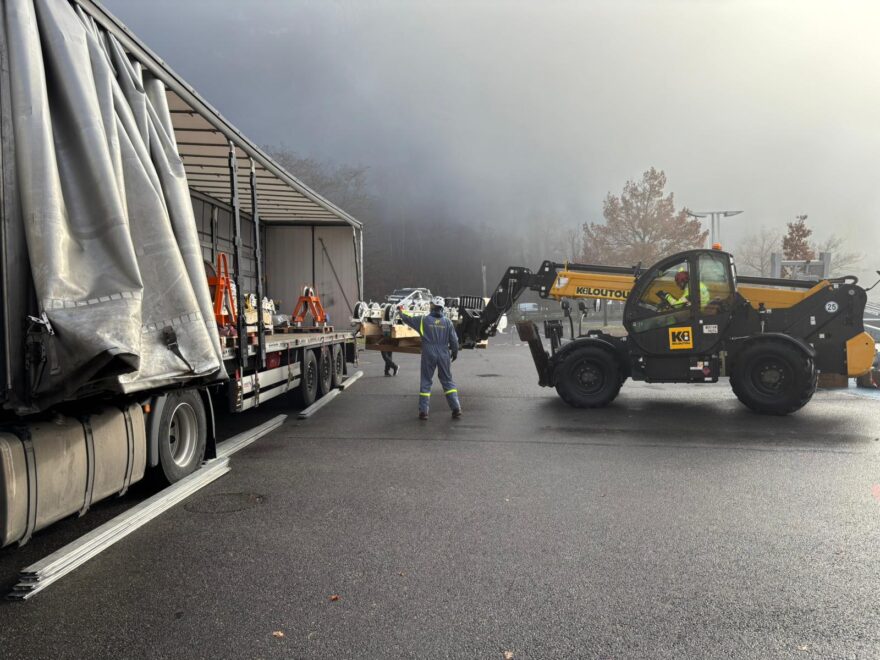
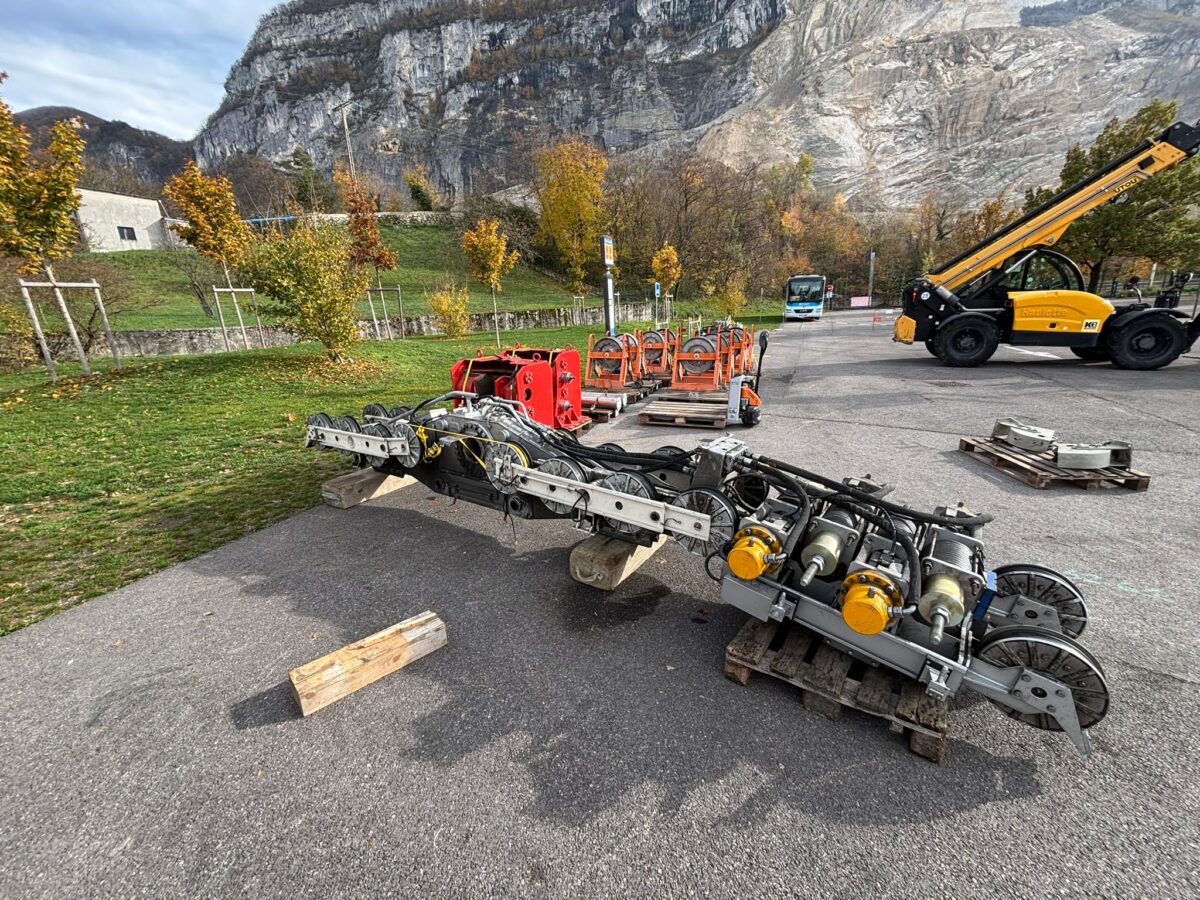
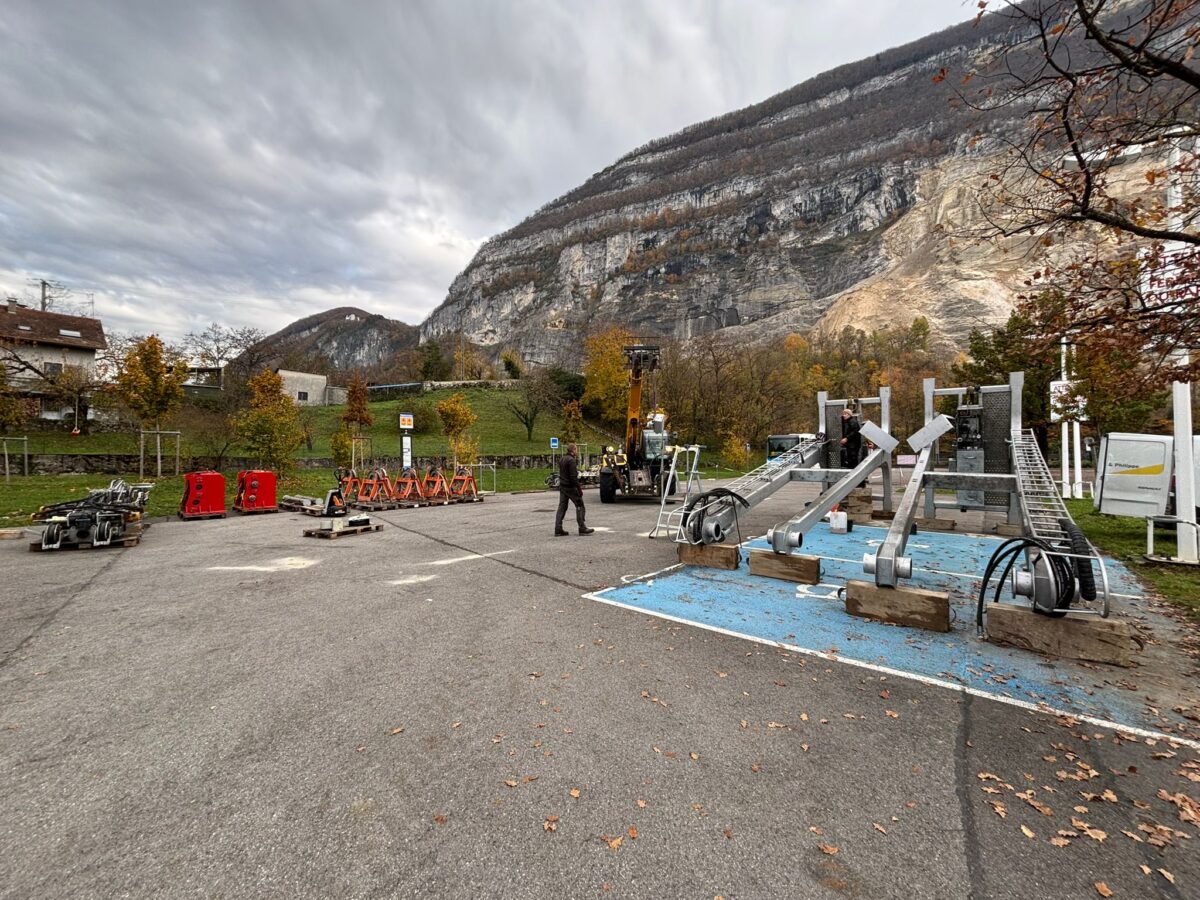
All critical components are dismantled and sent back to the factory for in-depth examination, testing, and refurbishment if necessary.
⚙️ Highly Technical Operations
During this period, several crucial procedures take place:
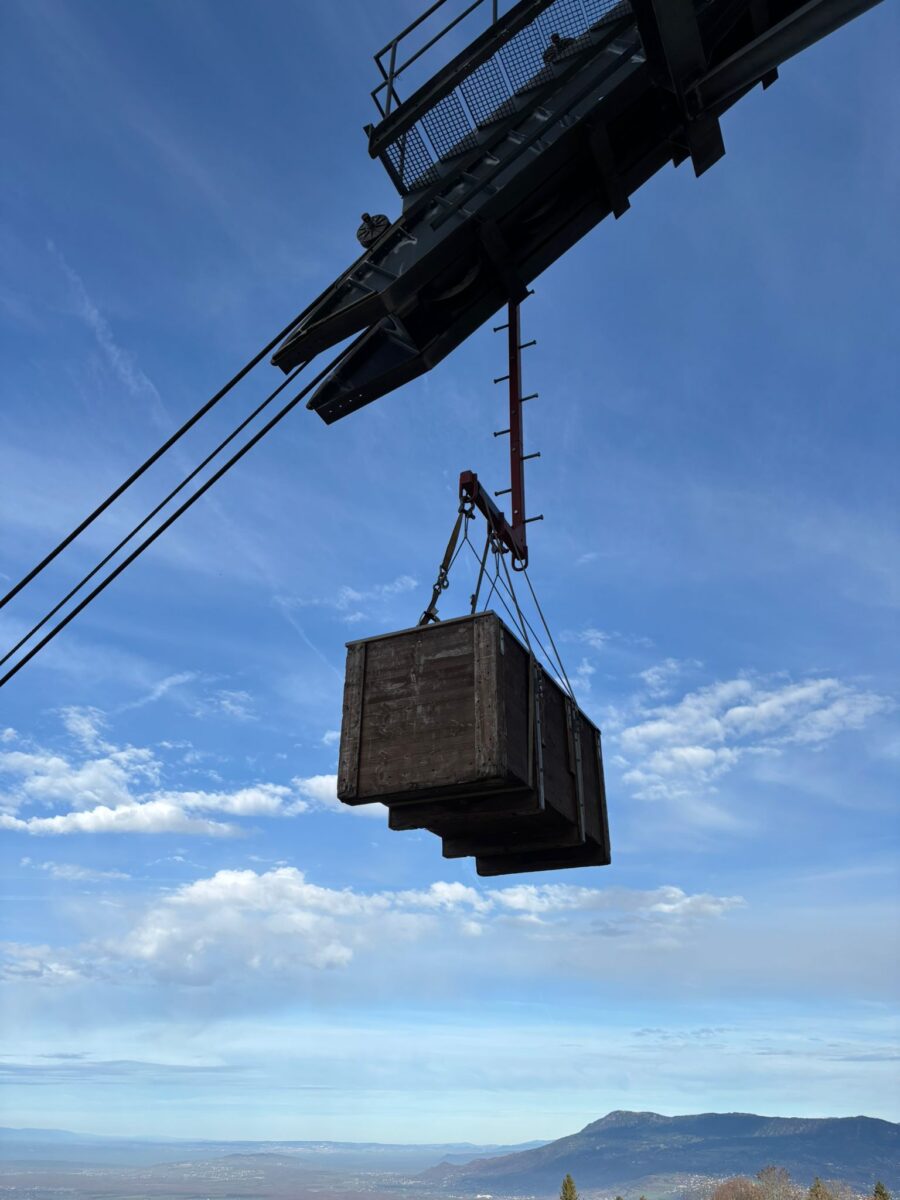
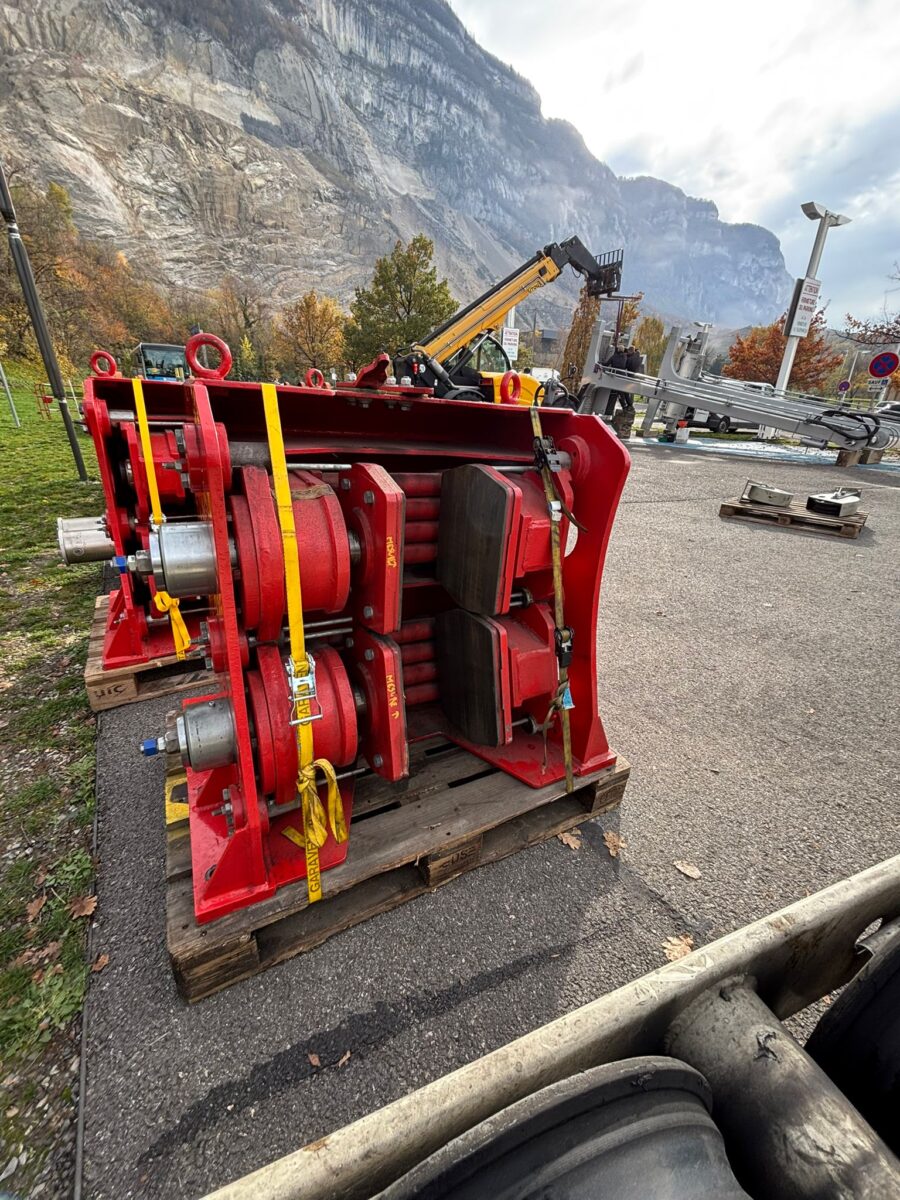
- Complete disassembly of safety and braking systems, then shipment to the factory for detailed inspection.
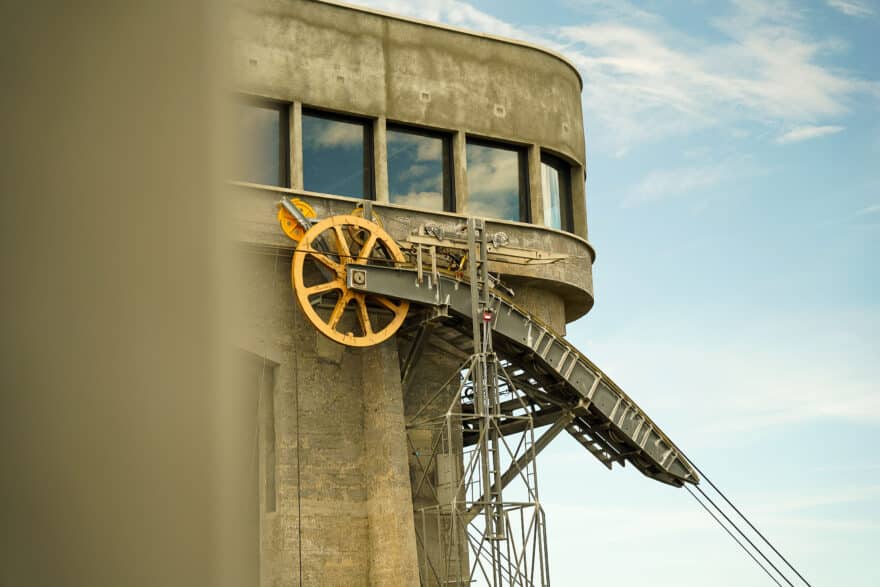
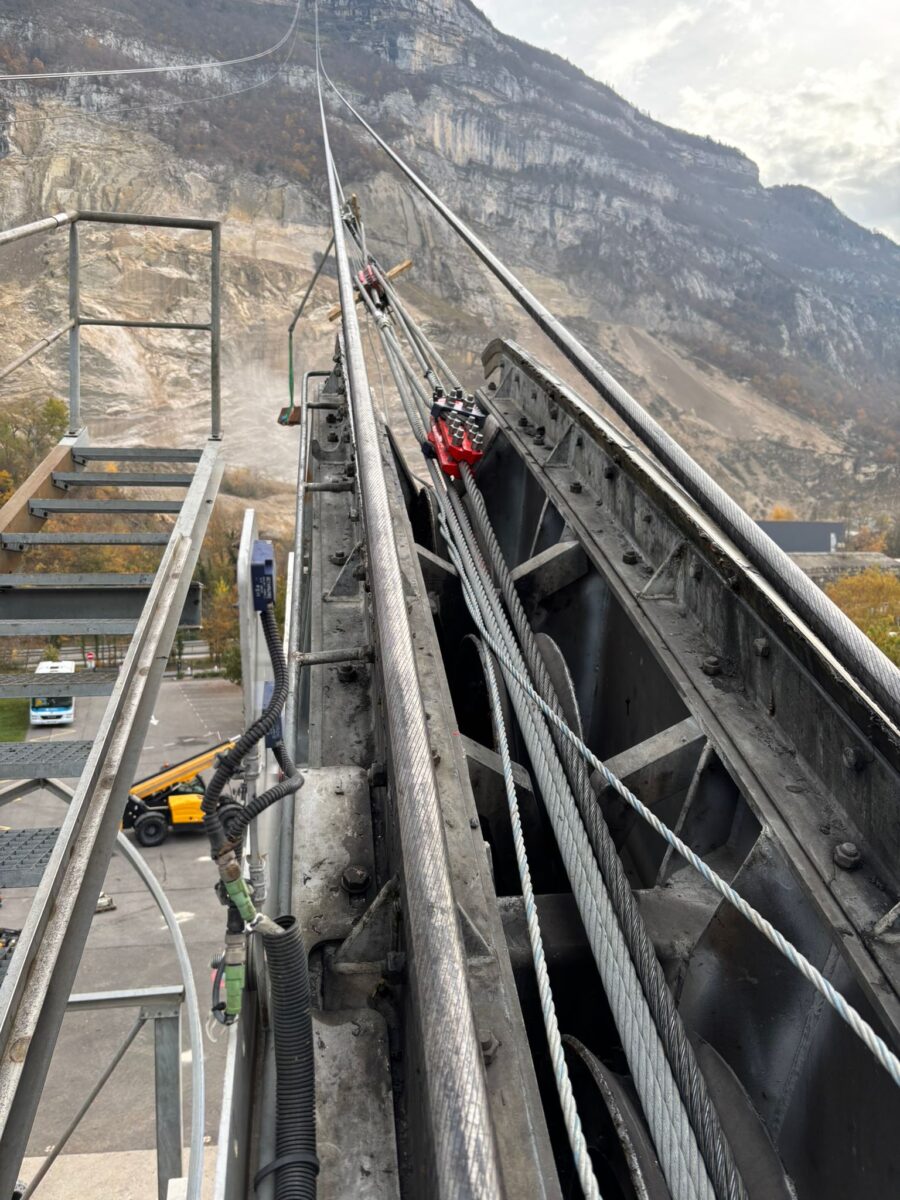
- Structural checks of the metallic framework, including supporting parts and pylons.
- Repainting of certain areas to protect the structure from corrosion and weathering.
- Full overhaul of the brake unit and hydraulic systems, essential for safe operation.
?♂️ A Collaboration Between Experts
This operation brings together several specialized partners:
- The Salève Cable Car technical team, overseeing the coordination and progress of the work.
- Garaventa, the original manufacturer and a world leader in cable transport systems, responsible for the mechanical refurbishments.
- Aix-Hydro, specialized in hydraulic systems, in charge of servicing and testing the braking systems.
- CND inspectors (Non-Destructive Testing), who assess the metal components without damaging them.
? Maintenance for Long-Term Reliability
Beyond its regulatory nature, this major inspection demonstrates the Salève Cable Car’s commitment to providing passengers with a safe and worry-free experience.
Through this thorough maintenance process, the installation will continue to operate under optimal conditions for years to come — preserving both its technical excellence and its historical heritage.
Publié le 08 December 2025


-

-

-

-
18 August 2025
The Salève Cable Car in the spotlight at the European Heritage Days – France & Switzerland
Read more